CONVERSATION STARTER
The Deadlift as a Road to Redemption
More deadlift. More fully alive.

- BY DOUGLAS DANOFF, EDITOR IN CHIEF

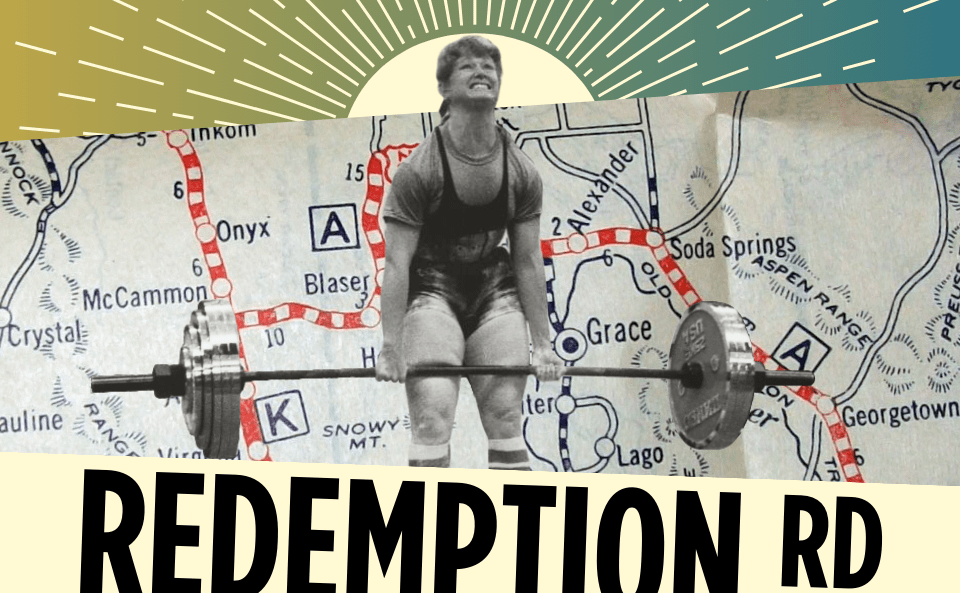
PHOTO: JAN TODD | MAP: DAVECITO/FLICKR | ILLUSTRATION: DEADLIFT MAGAZINE
Thresholds can appear variously. Familiar are images of a higher path being revealed through resplendent shafts of light. But sometimes, more rarely, one stumbles upon a trailhead to hallowed ground amidst what might seem like the coarsest, most profane black-iron landscape. And so it was for me fifteen years ago, when I first discovered the gritty and glorious journey that deadlifting can offer. Fast-forward to now, with the founding of Deadlift Magazine, dedicated to two core principles: that the deadlift is an extraordinary crucible for forging the character, catalyzing reinvention, and alchemizing sorrow into triumph; and that people can change dramatically through story coupled with action.
Stefán Hallgrímsson, the longtime coach of deadlifting legend Benedikt Magnússon and the subject of a documentary about his zany Reykjavík gym, anointed the deadlift “a holy sport.” Indeed, the deadlift has an undeniably sacred quality to it. When the bar gets sufficiently heavy―whether that means a hundred pounds or a thousand; fifty kilograms or five hundred―the deadlift offers flashes of the eternal. Flitting between certainty and uncertainty, an effortful deadlift exemplifies the unfolding suspense of life―an indeterminate situation that creaks along, moment by moment, awaiting its outcome as you strain to hold on just a little bit longer. The deadlift is a trustworthy conduit to those rigorous, breathtakingly beautiful moments and their vast ripple effects. Like a mythical stream that somehow always flows alongside, just waiting for you to simply step into its healing waters, the deadlift is always there, ready to provide you with another glimpse of transcendence.
The Deadlift Has Redeemed Many a Soul. Can It Redeem Yours, Too?
At first glance, the deadlift seems simple enough: pick up a barbell from the floor and stand upright with it. And yet past the lift’s apparent simplicity extends a virtually infinite complexity, nuances nested in nuances, with the power to regularly astonish even the lift’s closest students and most devout adherents. The deadlift is a sort of discourse with oneself―a compound movement requiring you to sharpen your focus and marshal nearly every muscle in your body. Apart from its own bump and clang, it is a quiet refuge from the world’s increasingly strident and invasive noise. It is a teacher and a trickster, with new lessons, new surprises, for you to take into the world and apply to other aspects of life. It is a practice, a musical instrument, a meditation. Occasionally it is a savior, rescuing you from life’s jagged shores. Strength training in general and deadilfting in particular delivered Eddie Hall from the pits of depression, Tamara Walcott from a thorny divorce and an unhealthy relationship with food, Pete Rubish from crushing isolation, and Andrey Malanichev from the whipsaw of Tourette’s syndrome and crippling self-doubt.
For me, the deadlift has been similarly indispensable. It’s helped me galvanize the force to get unstuck when I felt rutted, to live boldly when I’d been living for years in tiny emotional corners, to roar when I’d long whimpered. The deadlift has given me the courage to return to college after twenty-five years to finish my degree and finally absolve myself of the shame that had accompanied my incomplete coursework; to move across the ocean to be with the right woman; to get married and have a baby after believing that marriage and parenthood simply weren’t in the cards; to feel supercharged after years of feeling frail; and, of course, to lift relatively heavy shit that most people walking the streets couldn’t dream of lifting.
Deadlifting can help you, too. It can teach you to ratchet up both your inner and outer strength. It can teach you about planning and deep patience, about discipline and right-sizing your ego. It can teach you to set up a meaningful feedback loop. It can teach you to stop lying to yourself and others―to stop co-signing on bullshit excuses that you or your dear ones try to smuggle into acceptance. It can teach you to focus all of you―attention, energy, muscles―on the task at hand. It can teach you to embrace, rather than walk or run away from, potentially stressful situations. It can teach you to dream big and then chart a path toward manifesting those dreams in the world. It can teach you the importance of always showing up this time and always coming back next time.
Deadlift Is My Ayahuasca. Deadlift Is My Little Blue Pill.
While numerous methods have their validity, it is the deadlift that constitutes a preferred form of therapy for me and many others. It reliably affirms our agency and emboldens our self-sufficiency. It dependably moors us against the choppy waters of these trying times. It consistently promotes longevity, boosts hormone levels, and makes us feel sexier. And it always reveals―at times certifying our power, at times humbling us without mercy. In that way, the deadlift is analogous to love. Both are truth-seeking processes, or conversations―in love, between two lovers; in deadlifitng, between the lifter and the barbell or the lifter and him- or herself―that reconcile gaps along the path toward higher truth.
Very few activities promote both self-reliance and community. Deadlifting is one of them. Rather than locking us in a zero-sum game where in order for you to move up, someone else has to move down, the deadlift allows all of us to rise together. In fact, we enhance our own social status by uplifting those around us. With the deadlift, greater well-being and deeper affiliations go hand in hand. Get your best friend, your mom, your coworker to deadlift with you, and you’ll make not just one but two, three, or four lives better. I myself established and built two of my closest friendships thanks to the deadlift. And with deadlifting, there are no real barriers to entry. Don’t have a fancy barbell and weight plates? Grab a piece of carry-on luggage loaded with a few stones, a backpack with bricks, a bag of groceries, or a shrink-wrapped pack of water bottles. The important thing is that you find a weight that challenges you when you lift it a few times.

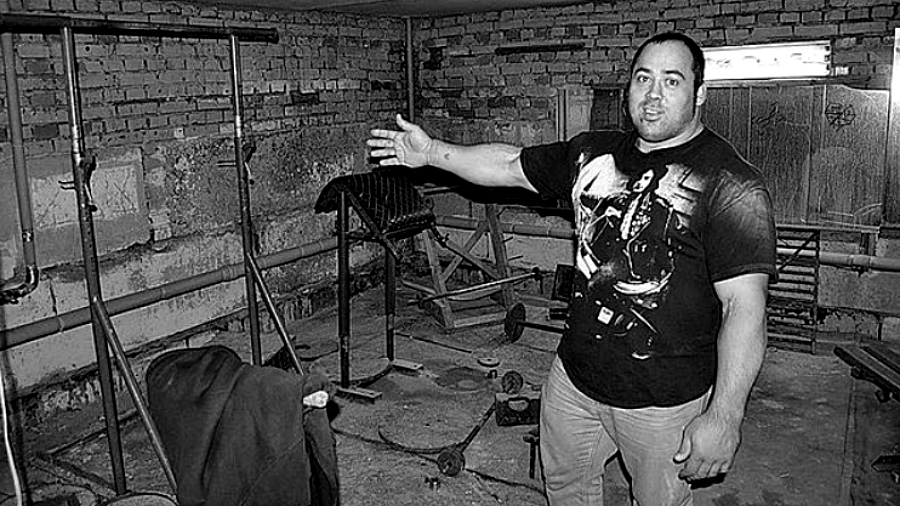
Start anywhere. Andrey Malanichev's first gym, in a dusty, dimly lit basement in Moscow
Photo: Courtesy of Andrey Malanichev
In allowing us to walk right up to the borderland of our physical capacity, the deadlift bestows on us a great gift. We may not lift the same weights as world-beaters like Stefi Cohen or Eddie Hall, but we can all know the feeling of loading the bar with a weight that will test our strength and mettle in the same way.
As with stone lifting, the deadlift answers in us a primal call to pick heavy objects off the ground. The allure―and often the necessity―of such lifting dates back millennia, probably to humankind’s earliest days. Over time, antecedents of the deadlift have variously been displays of athletic and martial skill using cauldrons in ancient China and sandbags in ancient Egypt; rites of passage, as with the manhood stones of Scotland; and a means of securing a place and, better still, a full share of payment on Icelandic fishing vessels.
To be sure, the deadlift is not everybody’s source of salvation. Some pray at the altar of the squat rack or the bench. Some prefer to test themselves through endurance rather than muscular strength. Deadlift Magazine does not advocate for isms, including deadlift-ism. If there’s a different physical challenge that, in addition to or instead of the deadlift, helps you forge your character, the magazine encourages you to pursue it with sharp focus and steadfast determination and will cheer you on as you do so. But I―and countless others around the world, including not only powerlifters and strongmen but also athletes and trainers from the major professional sports leagues, the CrossFit and Hyrox communities, and, increasingly, the general fitness population―find the deadlift quite special. Deadlift Magazine wants to explore the depth and range of that specialness together―to enable you, its readers, to glean insights and inspiration from the deadlift’s unusual properties to hone one’s identity and realize one’s potential.
Deadlift and the Uplifting, Often Uphill Way to Glory
I hope that in the coming years you’ll cherish Deadlift Magazine as an indispensable feature of your personal toolkit; as a place to engage in an ongoing, endlessly fascinating conversation with many of the world’s greatest athletes on the intersection of strength and struggle, with deadlift as an entry point; as a set of blueprints to help you become strong, stronger, or strongest. I’m confident that the journey, both on the magazine’s pages and wherever you train, will make you more powerful than you might have imagined possible.
The road, while full of marvels, is crooked and bumpy. Even the sturdiest among us began slowly, and stumbled and bumbled along the way. Long before cracking powerlifting’s equivalent of the four-minute mile―an unequipped three-lift total of over twenty-five hundred pounds―Andrey Malanichev was a skinny teenager tossing chimney caps off the roof of his Soviet-era apartment block. Long before deadlifting a thousand pounds for reps, Chris Duffin displayed such grotesque form that one meet director insisted on giving him a deadlift crash course in the Oregon Zoo parking lot. Long before Sports Illustrated dubbed her “the world’s strongest woman,” Jan Todd learned to deadlift from an exotic dancer. Long before deadlifting a half ton of silver dollars or becoming three-time World’s Strongest Man, Bill Kazmaier would flush-cut tree stumps with his telephone-linesman uncle. Long before becoming the first powerlifter to deadlift over a thousand pounds, Andy Bolton would patch machinery at a popcorn factory and carry other lads on his back at rugby practice.
You simply cannot know, at the start of any great journey, what you’re capable of achieving. What’s essential is that you take the first step and be open to smashing self-doubt and reaching planes you never would’ve imagined were possible.
After months of conducting foundational interviews with many strength-sport icons―Andy Bolton, Eddie Hall, Andrey Malanichev, Žydrūnas Savickas, Tamara Walcott, Danny Grigsby, Yury Belkin, Mikhail Koklyaev, Stefi Cohen, Chris Duffin, Kirill Sarychev, Ben Pollack, Jan Todd, and Bill Kazmaier among them―Deadlift Magazine begins with this introductory piece. As the magazine looks to build itself into an enduring, multifaceted resource for those who walk through its virtual door, I pray that you’ll take its opening attempts, if you find them a bit stiff-legged, with a frisky smile and a sprinkle of benevolence.

Chris Duffin holding a photo of his early deadlift form
PHOTO: COURTESY OF CHRIS DUFFIN
The Path of Greatest Resistance: Are You Ready to Heed the Call?
This magazine is part of a groundswell culture change―with advocates from doctors and scientists like Peter Attia and Andrew Huberman, to authors like Nassim Nicholas Taleb (Antifragile) and Michael Easter (The Comfort Crisis), to former Navy SEALs like David Goggins and Jocko Willink, to podcasters like Joe Rogan and Chris Williamson―around leading a fuller life by challenging and steeling oneself physically, mentally, and emotionally. The vectors are one’s honesty of self-assessment, difficulty of task, and discipline of persistent action. At the risk of sounding utopian or overstated, I firmly believe that the world would be a far lovelier place if more people set themselves on this deliberately demanding path. Less violence, less substance abuse, less disease, less resentment, less sexual dysfunction. More fulfillment, more love, greater well-being.
Deadlift Magazine is here to help you feel more fully alive. If you’ve ever agonized over not being enough in some way―tall enough, smart enough, fast enough, thin enough, good-looking enough, successful enough, whatever―Deadlift Magazine understands you. If you’re sick and tired of feeling stuck, Deadlift Magazine will devote its pages to you. If you want to climb out of the darkness, Deadlift Magazine will light your way. If you can envision the possibility of turning pain and shame into magnificent triumph, Deadlift Magazine will share experiences of exactly that kind of metamorphosis. If you’re ready to become stronger and sexier, to feel happier, to push past your perceived limits, to surround yourself with similarly thriving people, Deadlift Magazine will guide you. Read it, and you’ll harvest an abundance of ideas for moving forward. Then it’s up to you to get to work. What you chose yesterday doesn’t matter. You get to choose which path to walk today.
Get in touch as often as you’d like and describe where you want to go next. The magazine promises to work its caboose off to figure out how to help you become the person you want to be. Feel stronger than ever. Live more boldly. Come alive. Deadlift Magazine.
Douglas Danoff has been feverish about the deadlift since 2011, when, at a friend’s suggestion, he tried it for the first time, made some funny noises, and fell in love. His writing―on a range of topics, from strength and high-performance training to truffle hunting and learning to drive an eighteen-wheeler on the streets of Manhattan―has been featured in The New York Times, Men’s Health, and New York magazine. He lives with his wife and their son in Cologne, Germany.
Our pipeline is bursting with great material we’re getting ready to deliver.
in the pipeline
A tantalizing preview of the material we're preparing for you.

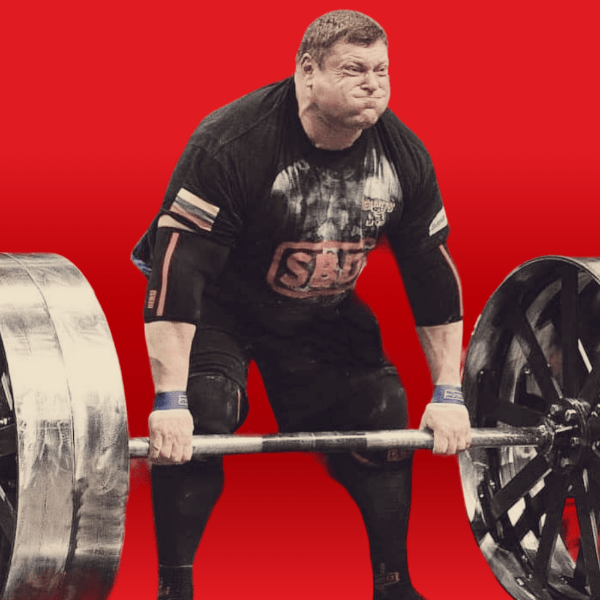
four-time World's Strongest Man, on boundless human strength, developing a clear mind, competing effectively against oneself, the day he felt his strongest, fitness after forty, and benevolent giants in Lithuanian mythology.
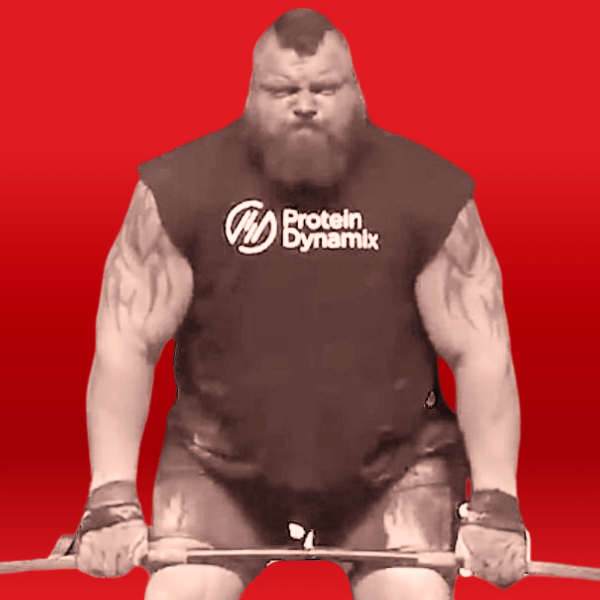
World's Strongest Man and 500 kg deadlifter, on the deadlift as antidepressant, the humility of aging, the calculated risks of becoming someone special, and the mind as the most powerful muscle of all.
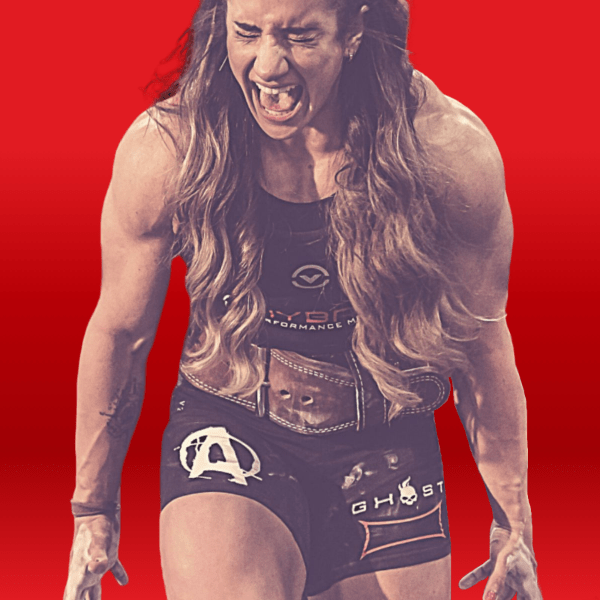
25-time world-record holder, on bucking family traditions, strength as a byproduct of resilience, the value of long suffering, the elusiveness of deadlift mastery, and learning how to succeed at any sport.
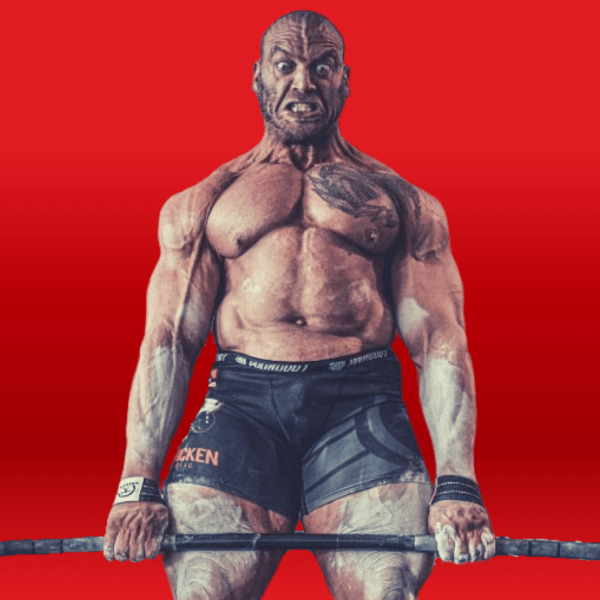
champion powerlifter and IFBB pro, on the benefits of visual and kinesthetic focus, the rewards of grinding out heavy lifts, deadlifting for powerlifting versus for bodybuilding, and the history of postwar weight training.
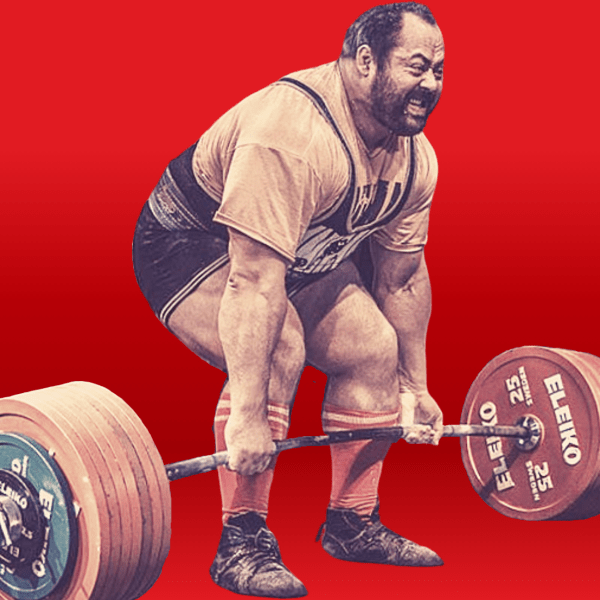
the first unequipped powerlifter to total 2500 lbs., on monkish seclusion, how the deadlift forges character, the hardest hardcore gym in Russia, and the virtues of giving your phone number to only three people.
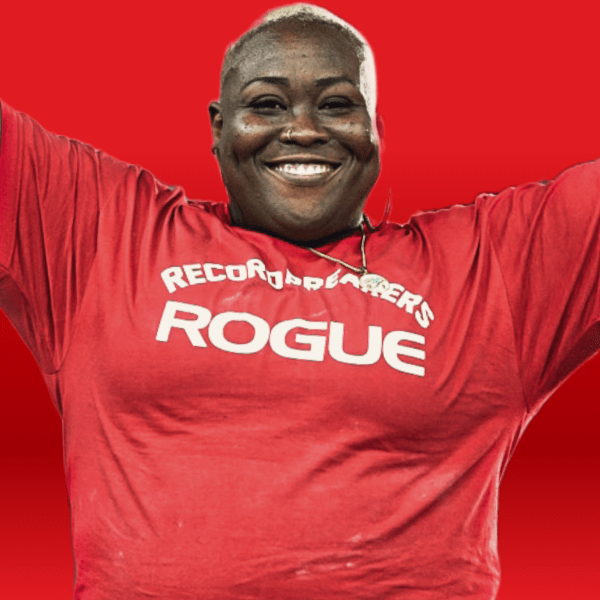
world-record powerlifter, on cultivating a healthy relationship with food, the power of reinvention, expanding definitions of female beauty, and how the deadlift helped her become a better mom.
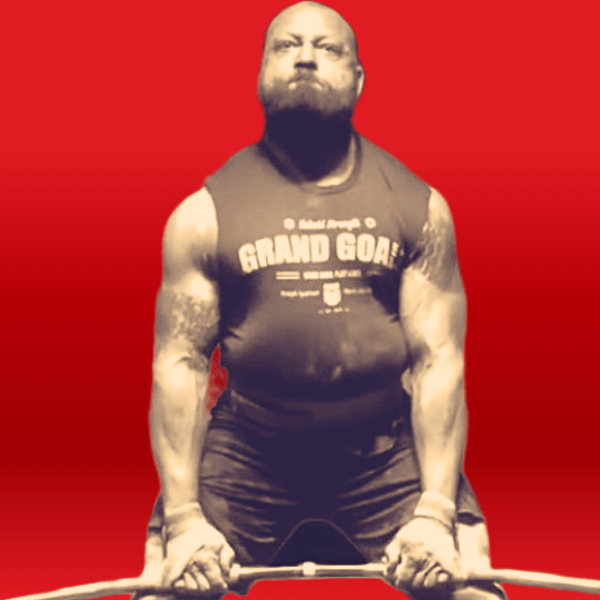
the mad scientist of powerlifting, on delayed gratification, killing your weaknesses, giving every drop of your soul to a lift, the intense scrutiny of competition, and how the deadlift filters out the ego.
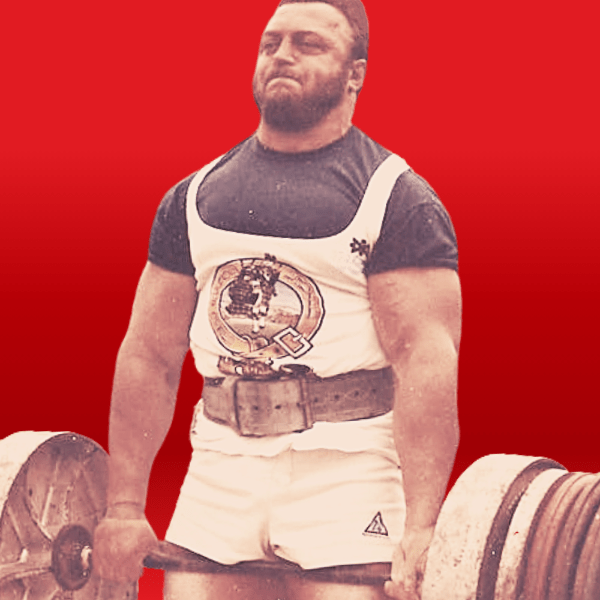
three-time World's Strongest Man, on rage and love, defiance as fuel, how adversity reveals the measure of one’s spirit, the trick-beat-kill principle, harnessing deprivation, and trying out for the NFL's Green Bay Packers.
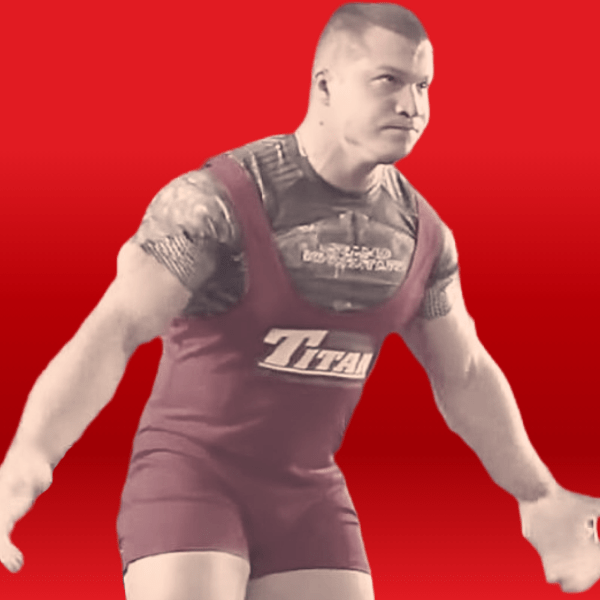
among the greatest pound-for-pound lifters ever, on fear as a barrier to greatness, why competing is easier than training, the intersection of physical and mental strength, and the merits of catching one’s breath.

trailblazing female powerlifter and co-creator of the Arnold Strongman Classic, on farmer strength, stumbling upon life’s quests, the politics of being a strong woman in the 1970s, and the mouse who lived in her daddy’s arm.

iconic multisport strength athlete, on how an underground movie salon hooked him on weights, the blessings of skill acquisition, harmonizing strength with kindness, and the meaning of his bluebird and wolf tattoos.
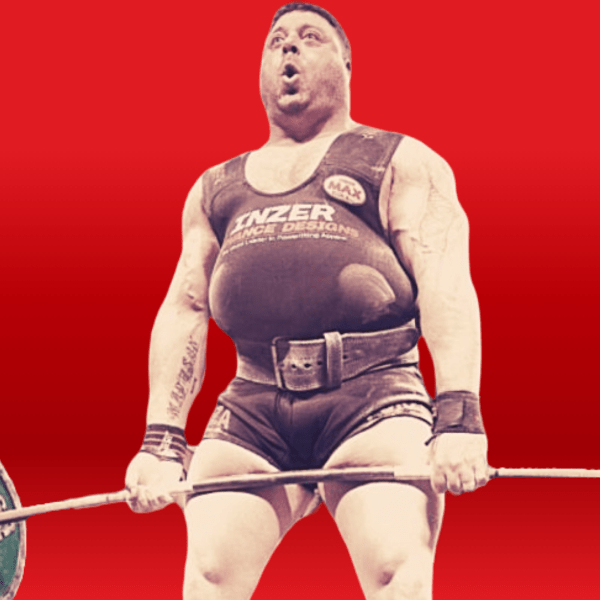
the first man to deadlift 1000 lbs., on the seconds before a half-ton lift, the essential little details that people never see, entering uncharted territory, weathering kidney failure, and the torture of cake-shop windows.
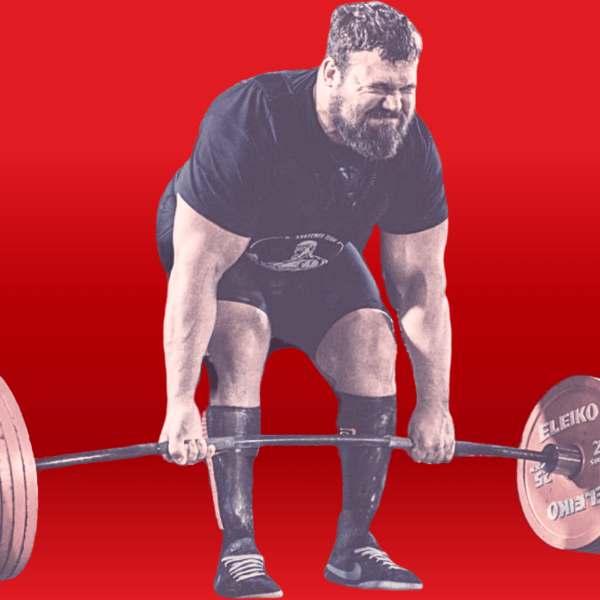
federation founder and push-pull god, on thinking big, the spectacle of bendy barbells, the deadlift as a potential Olympic sport, setting world records with submaximal exertion, and the charismatic intelligence of Konstantīn Konstantīnovs.